My Cart: 0 item(s)
_2.png "Shadows ReadyTheme")
Solar Sign, Beacon, and LED Light Maintenance: A Seasonal Checklist That Prevents Outages
Key Takeaways
- Solar signs, beacons, and LED lights need less maintenance than anything they replaced, but not zero. Four checks a year keep them at full brightness: panel and lens cleaning, battery test, mounting and aim, and a nighttime visual inspection.
- The battery is the only true consumable. Lithium packs last 5 to 8 years; sealed lead-acid packs 2 to 3. A sign that fades before dawn almost always needs a battery, not a new fixture.
- A dirty or shaded solar panel is the number one cause of winter outages. Clean it each fall and confirm nothing has grown into its sun path.
- LED fixtures last 50,000 or more hours, but drivers and controllers fail first. Flicker, half-brightness, or a fixture that is on all day points to the driver or photocell, not the LEDs.
- Keep a simple log per device: install date, battery date, last inspection, and any faults. It turns emergency calls into scheduled work and supports warranty claims.
Why LED and solar equipment still needs maintenance
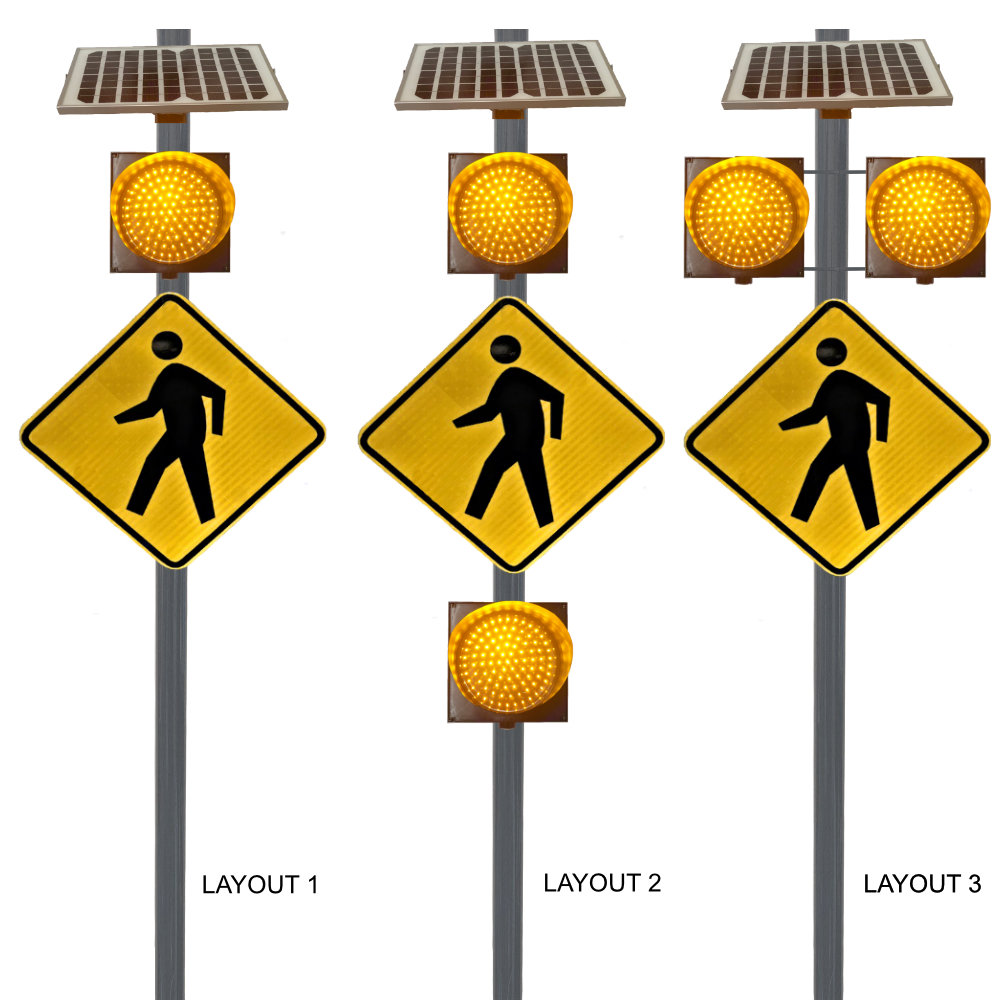
An LED fixture has no filament to burn out and a solar sign has no wiring to fail, which is why both have replaced their predecessors on roads and in parking lots. The remaining failure points are predictable: batteries wear out, panels get dirty or shaded, brackets loosen, lenses cloud, and electronics such as drivers and charge controllers eventually fail. Each of those is cheap to catch on a schedule and expensive to discover when a school-zone sign is dark on a January morning.
This checklist covers the equipment LED Lighting Solutions sells: solar flashing signs, beacons, radar speed signs, solar road markers, and solar and LED area lighting.
The seasonal checklist

| When | Task | Applies to |
|---|---|---|
| Every season (4x a year) | Wipe the solar panel with water and a soft cloth; clear leaves, bird droppings, and snow | All solar devices |
| Every season | Night drive-by: confirm every sign flashes, every light is on, brightness is even | All |
| Every season | Check mounting hardware, pole plumb, and sign aim; retighten U-bolts and brackets | All, especially radar signs |
| Spring | Inspect for winter damage: cracked lenses, water in junction boxes, corroded terminals | All |
| Fall | Trim vegetation shading the panel; confirm south exposure before short winter days | All solar devices |
| Fall | Load-test batteries; replace any that fail or are past their rated life | All solar devices |
| Annually | Verify flash rate (50 to 60 per minute), schedules, and dimming profiles; update firmware if the model supports it | Flashing signs, beacons, radar signs |
| Annually | Clean fixture lenses and check photocell operation (fixture off by day, on at dusk) | LED area lighting |
| After storms | Walk the site: leaning poles, shifted panels, debris on lenses | All |
Clean the panel and the lens
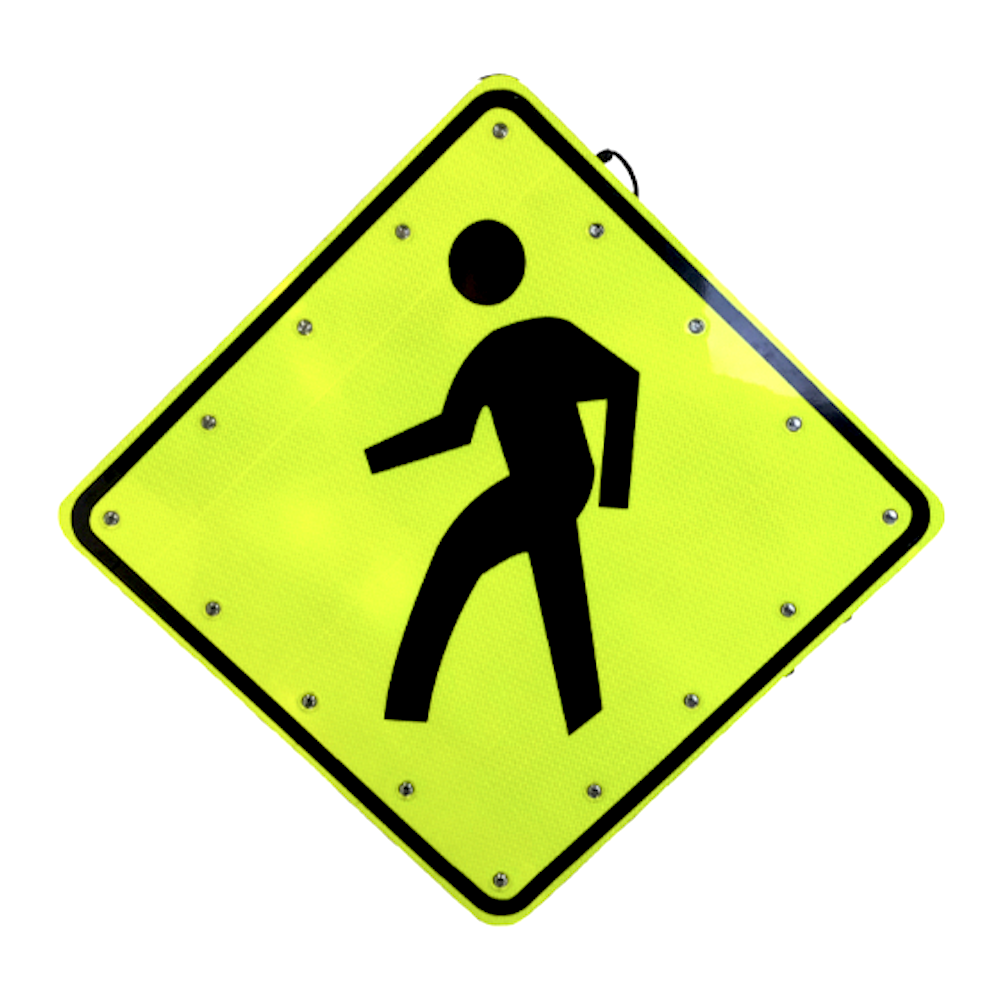
Solar panels lose output roughly in proportion to how much of their surface is covered. A layer of road dust can cost 10 to 20 percent; a single leaf across the cells can cost more, because shading part of a series string drops the output of the whole panel. Clean with water and a non-abrasive cloth or sponge. Avoid pressure washers, solvents, and anything that scratches the glass.
LED lenses and sign faces get the same treatment. A clouded lens on a flashing beacon can halve its visible intensity, and dirty retroreflective sheeting on a stop sign undermines the LEDs at night. Rinse, wipe, and check for crazing or yellowing that means the lens needs replacement.
Test and replace batteries on schedule
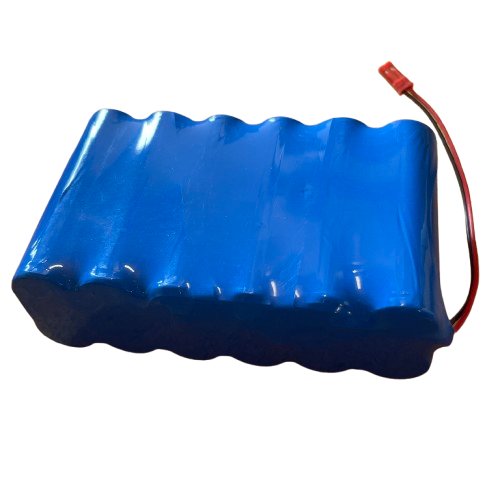
The battery is the one part of a solar device that is guaranteed to wear out. Symptoms of a failing battery: the sign is bright at dusk and dim or dark by early morning, it works in summer and fails in December, or the radar display drops out on cloudy days.
| Battery type | Typical service life | Cold-weather behavior | Replace when |
|---|---|---|---|
| Lithium iron phosphate (LiFePO4) | 5 to 8 years, 2,000+ cycles | Holds capacity to well below freezing | Runtime drops below 3 nights of autonomy |
| Lithium-ion | 4 to 6 years | Good | Same |
| Sealed lead-acid (AGM/gel) | 2 to 3 years | Loses up to half its capacity below freezing | Resting voltage below 12.4 V after a sunny day, or any bulging |
A $10 multimeter is enough to check resting voltage. For lithium packs, most LED Lighting Solutions signs report state of charge through the controller or the Bluetooth app on Helios series signs. Replacement batteries and charge controllers are available for our solar signs, so a battery swap never means a new fixture.
Check mounting, aim, and orientation
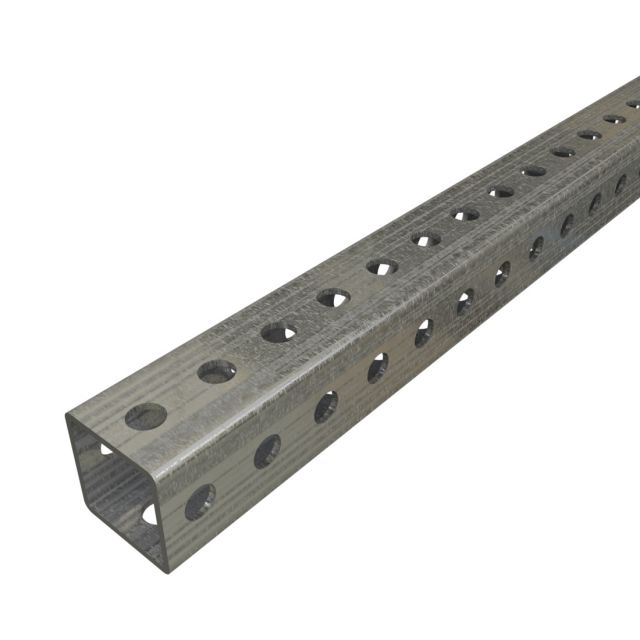
Wind, vibration, and the occasional vehicle strike loosen hardware over time. A sign that has rotated ten degrees off the road is still visible but far less conspicuous, and a radar sign that has rotated reads speeds late or not at all because the beam no longer covers the lane. Solar panels that have drooped or turned lose charging.
- Retighten U-bolts and bracket bolts; replace any rusted hardware with stainless.
- Confirm the sign faces oncoming traffic squarely and sits at the correct MUTCD height (7 feet to the bottom where pedestrians are present).
- Confirm the panel faces south, tilted about 45 degrees, and nothing shades it between 9 a.m. and 3 p.m.
- Check that poles are plumb and anchor bolts are tight; a leaning pole is a liability as well as a maintenance problem.
Troubleshooting LED fixtures and flashing signs
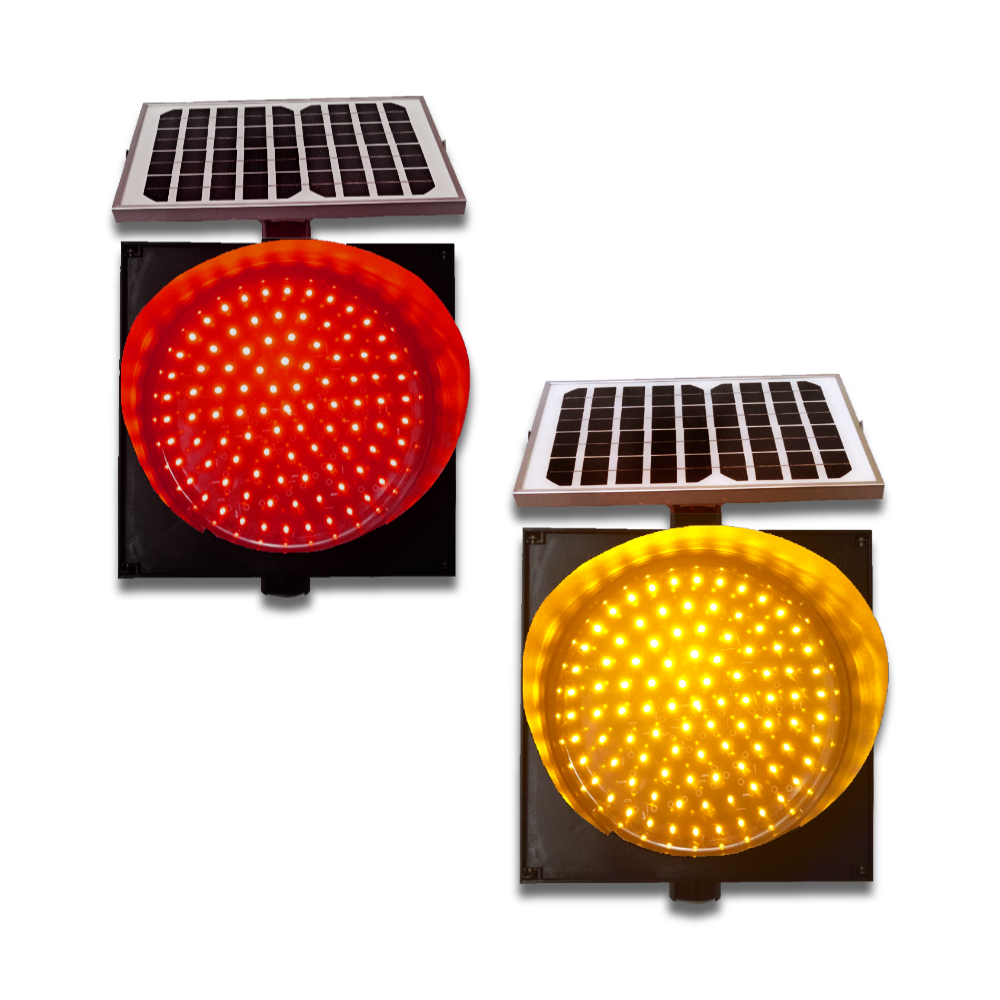
| Symptom | Most likely cause | Fix |
|---|---|---|
| Sign bright at dusk, dark by morning | Battery worn out or panel undersized/shaded | Load-test and replace battery; clear shade or upgrade panel |
| Works in summer, fails in winter | Short winter sun plus lead-acid capacity loss | Switch to lithium; enable dimming or detection-triggered mode; larger panel |
| LED fixture flickers or runs at half brightness | Failing LED driver | Replace the driver; LEDs themselves are rarely the problem |
| Fixture on during the day | Photocell failed or covered | Clean or replace the photocell |
| Some LEDs in a border dark | Water intrusion or a failed segment | Check seals; replace the LED module |
| Radar sign shows no speed or wrong speeds | Sign rotated off the lane, or obstruction in the beam | Re-aim; clear the sight line |
| Flash rate wrong or erratic | Controller setting or low battery | Reset to 50 to 60 flashes per minute; test battery |
How long the parts last
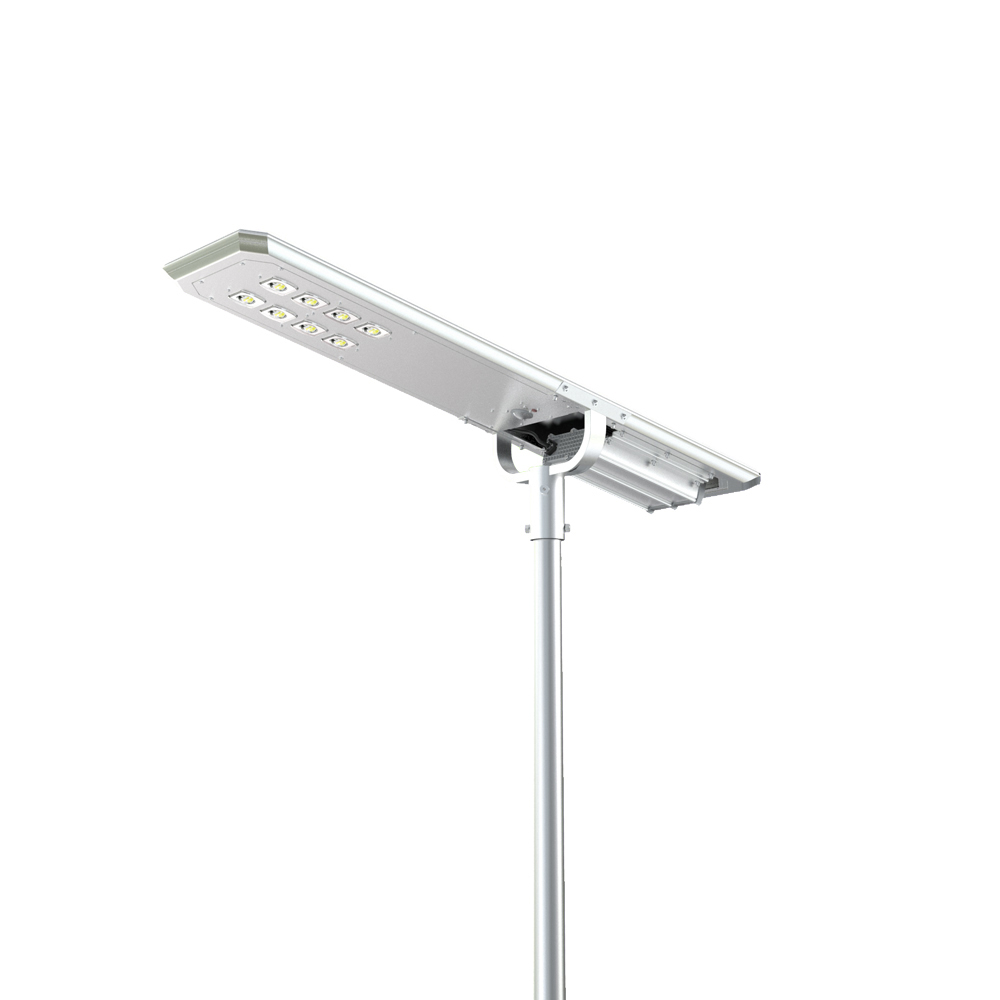
- LEDs: 50,000 hours or more, which is 12 to 15 years of dusk-to-dawn use. Output falls slowly rather than failing outright.
- Solar panels: 20 to 25 years, losing under 1 percent per year.
- Batteries: 5 to 8 years lithium, 2 to 3 years lead-acid.
- Drivers and charge controllers: 7 to 10 years; the most common electronic failure.
- Housings and sheeting: die-cast aluminum housings last indefinitely; retroreflective sheeting is warranted 10 to 12 years.
Plan on one battery change and possibly one driver or controller over the life of a fixture, and almost nothing else. Compared with the lamp-and-ballast replacements of metal halide or the trenching repairs of hardwired systems, that is a fraction of the cost.
Keep a log
A one-line record per device (location, model, install date, battery date, last inspection, faults) is the difference between a maintenance program and a series of emergency calls. It also supports warranty claims and tells you when a battery replacement is coming due before the sign goes dark. A spreadsheet is enough; larger fleets use asset software with the same fields.
Need replacement batteries, controllers, panels, or a maintenance plan for your signs and lighting? Contact LED Lighting Solutions with your model numbers.
Frequently Asked Questions
What are the maintenance requirements for solar and LED parking lot lights?
Clean the panel and lens at least twice a year, inspect mounting and aim each season, test the battery each fall, and do a night inspection quarterly. Replace lithium batteries every 5 to 8 years and lead-acid batteries every 2 to 3.
How long do LED parking lot lights last?
The LED array lasts 50,000 hours or more, about 12 to 15 years of nightly use. Drivers and controllers typically need replacement after 7 to 10 years, and batteries in solar fixtures after 5 to 8 years for lithium.
Is it bad to leave LED lights on 24/7?
LEDs tolerate continuous operation, but running a solar fixture by day wastes stored energy and points to a failed photocell. For grid fixtures, 24/7 operation simply shortens driver life and raises energy cost; use a photocell or timer.
Why is my solar flashing sign dim or dark in the morning?
The battery is almost always the cause: it is worn out, or the panel is shaded or dirty and cannot fully charge it. Clean the panel, clear shade, load-test the battery, and replace it if it fails.
Why is my LED light not working even after replacing the bulb?
Most LED fixtures have no replaceable bulb; the LED driver or the photocell has usually failed. Replace the driver, and check the photocell by covering it to confirm the fixture switches on.
How often should solar panels on traffic signs be cleaned?
At least twice a year and after any storm, with extra cleaning in dusty or agricultural areas. Dust can cut output 10 to 20 percent, and a single leaf shading part of the panel can cost more.
Can I replace just the battery in a solar traffic sign?
Yes. LED Lighting Solutions solar signs use replaceable batteries and charge controllers, so a battery swap restores full runtime without replacing the sign.
Need help choosing? LED Lighting Solutions stocks MUTCD-compliant solar signs, lighting, and work zone equipment and ships from our U.S. warehouse. Contact our team or call for volume pricing.